$19.8
$35.64
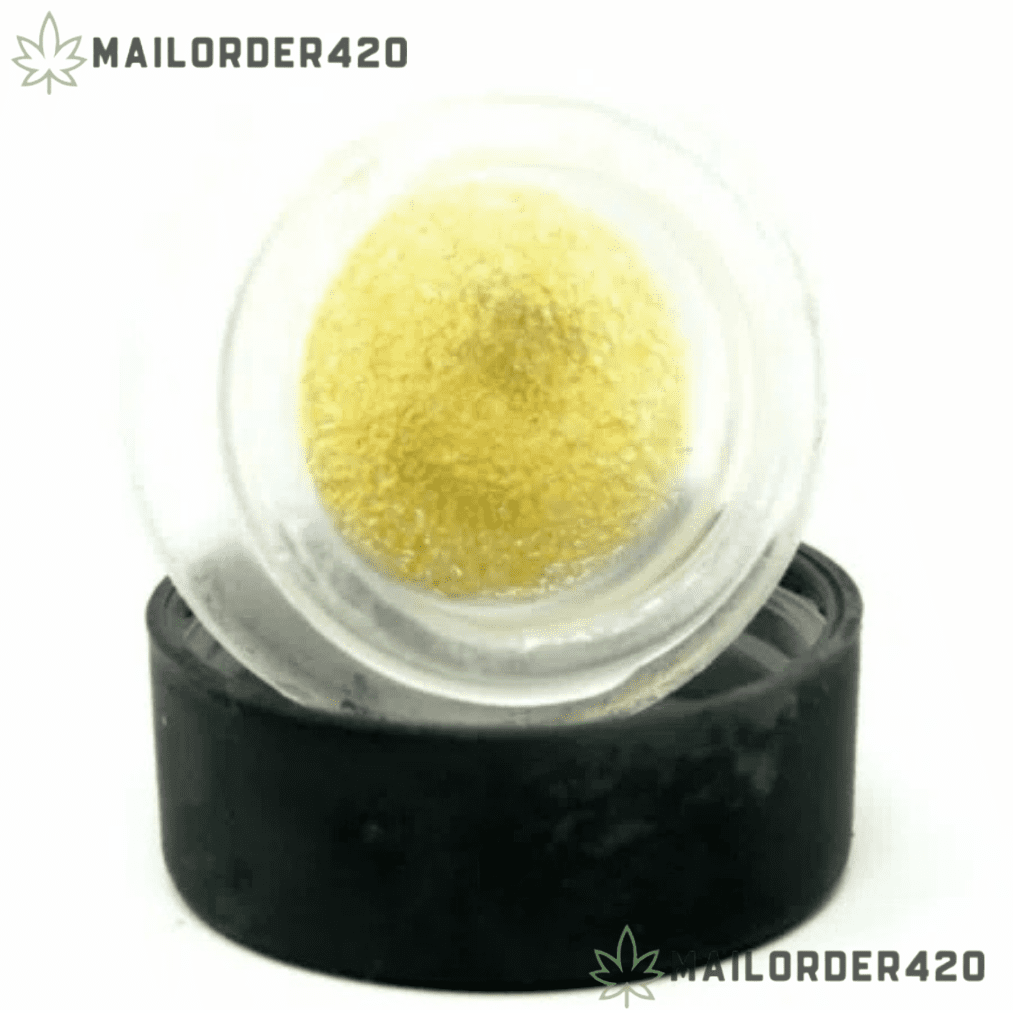
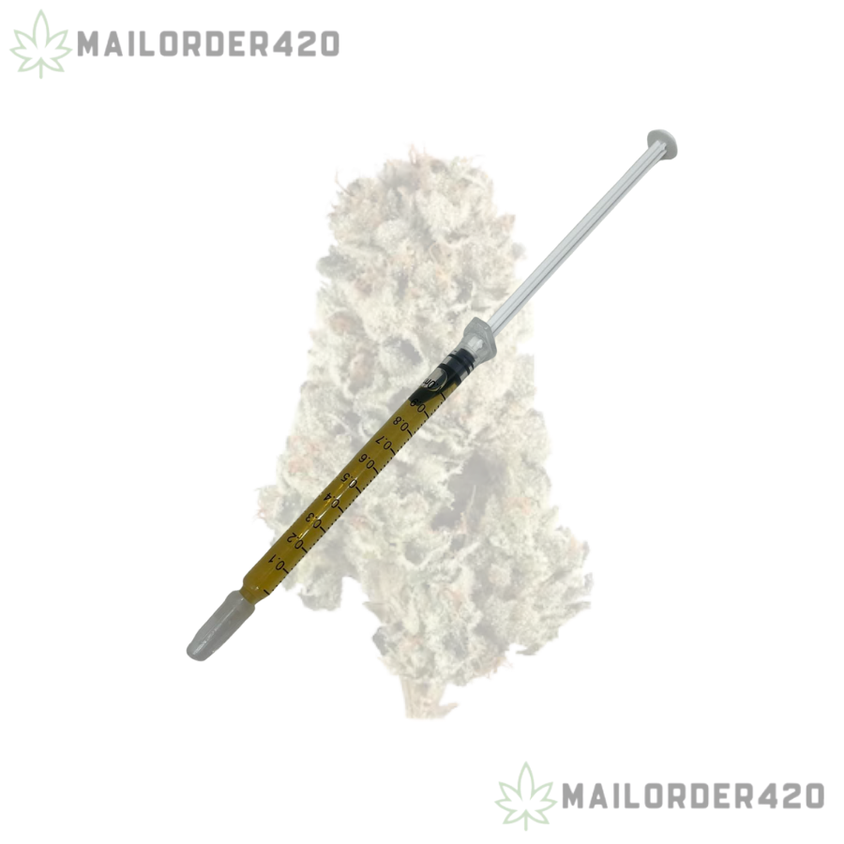
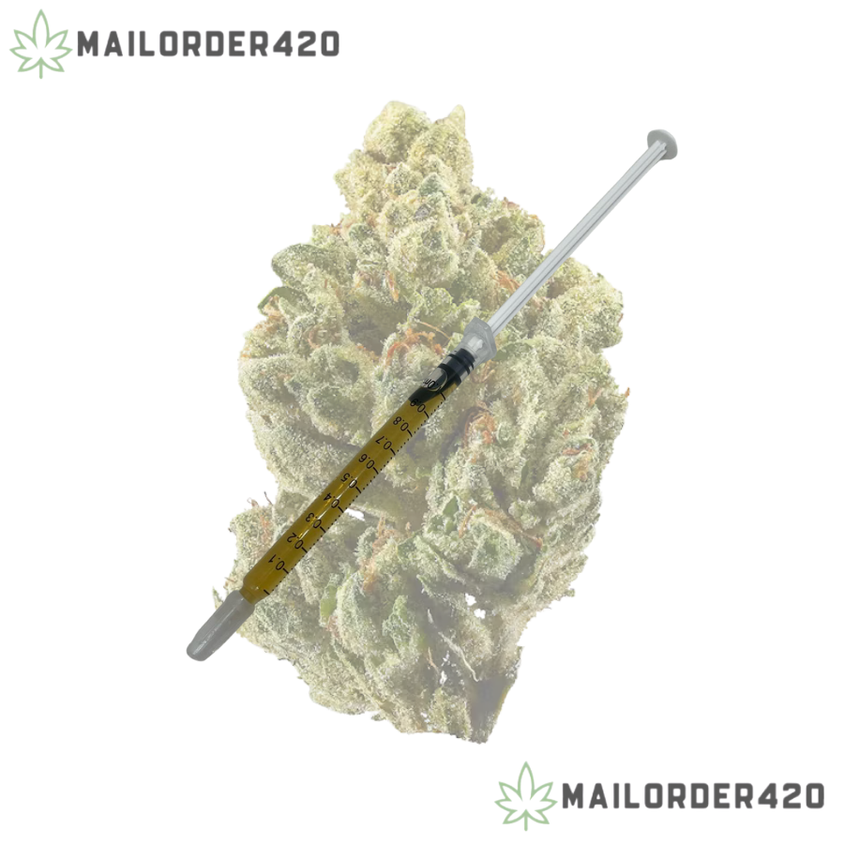
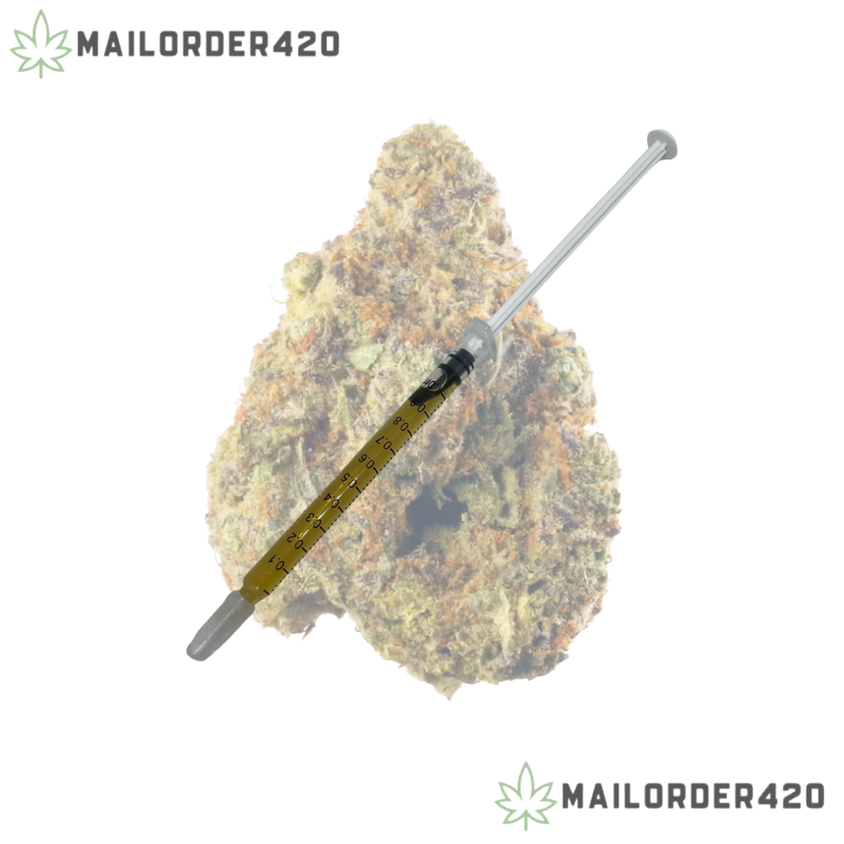
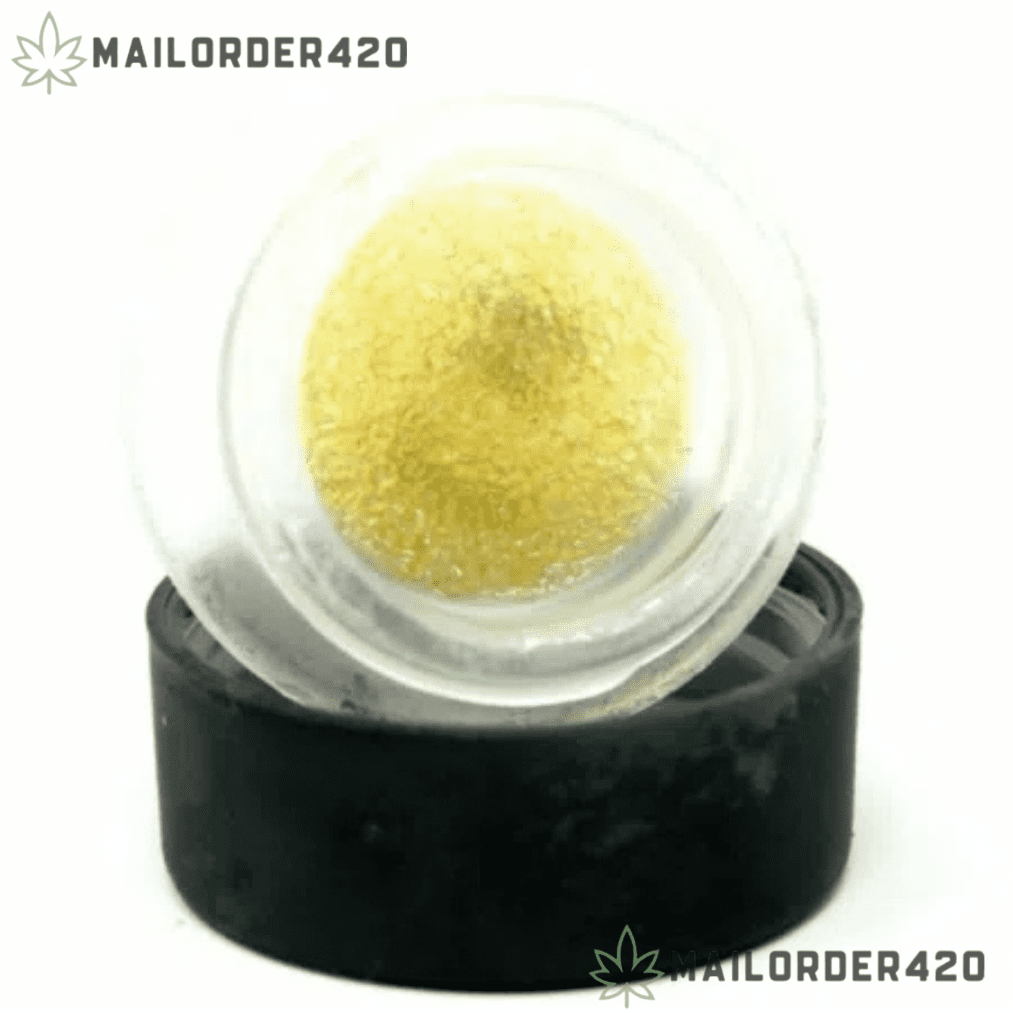
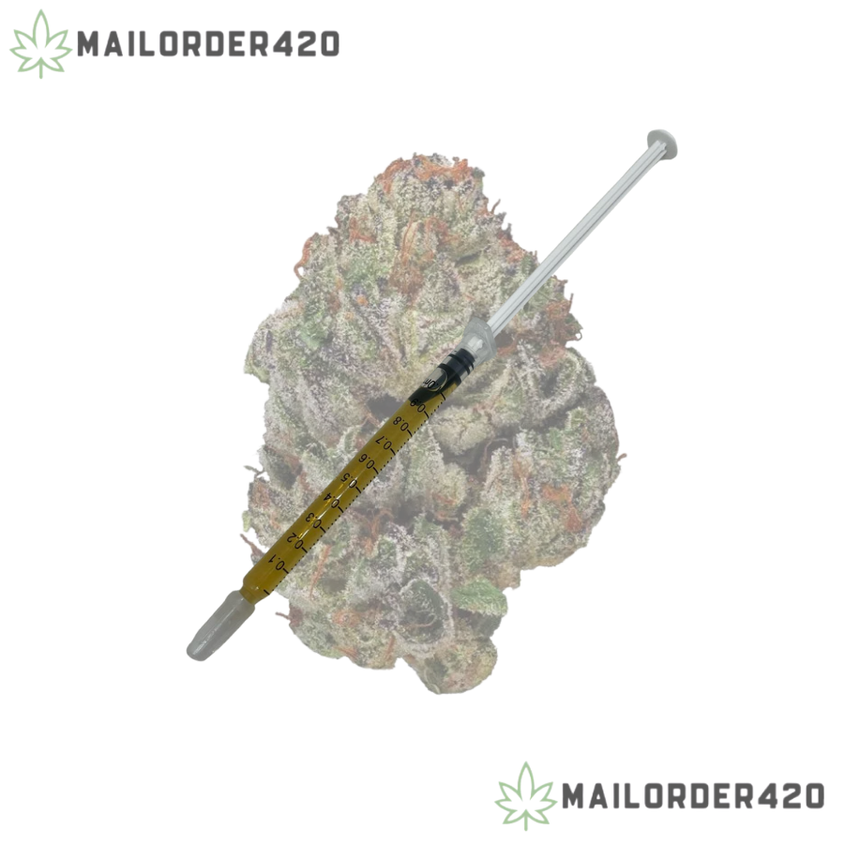
Cherry Papaya-Hybrid-1 Gram Overview: Introducing our Cherry Papaya Concentrate, a tantalizing hybrid that combines the best of both worlds. Offering a delightful balance of uplifting energy and relaxation, this 1-gram concentrate is perfect for daytime adventures or evening wind-downs. With its unique flavor profile and well-rounded effects, Cherry Papaya is sure to become a favorite among cannabis enthusiasts. Flavor Profile Fruity Fusion: Cherry Papaya Concentrate delights the palate with an enticing combination of sweet cherries and tropical papaya. The initial burst of flavor features the juicy sweetness of ripe cherries, followed by the creamy, luscious notes of papaya that create a harmonious blend reminiscent of a tropical paradise. Subtle Citrus Undertones: To elevate the flavor experience, Cherry Papaya is accented by subtle citrus undertones, adding a refreshing zing that balances the sweetness and enhances the overall taste. This complexity makes for a delightful and enjoyable experience with every puff. Effects and Benefits Uplifting and Energizing: As a hybrid strain, Cherry Papaya delivers a balanced experience that boosts mood and energy levels. Users can expect an initial wave of euphoria that ignites creativity and motivation while maintaining a relaxing body sensation. Ideal for Socializing: This hybrid is perfect for social gatherings, as many users report feeling more talkative and engaged. Cherry Papaya fosters an inviting atmosphere, making it ideal for sharing with friends or enjoying fun outings. Stress Relief and Focus: Cherry Papaya is also appreciated for its potential to alleviate stress and anxiety. The calming effects help users feel centered without heavy sedation, allowing for enhanced focus and creativity during activities or hobbies. How to Use Cherry Papaya Concentrate Dabbing: Dabbing is an excellent method for consuming Cherry Papaya Concentrate. Use a dab rig or electronic nail to vaporize the concentrate, maximizing both flavor and potency for an immediate experience. Vaping: For a more discreet option, consider using a vape pen designed for concentrates. This method allows for easy portability while delivering the full flavor profile of Cherry Papaya. Culinary Infusions: Get creative by incorporating Cherry Papaya Concentrate into your culinary creations. Whether baked goods or smoothies, this concentrate can add a unique tropical twist to your recipes. Safety and Quality Assurance Rigorous Lab Testing: At Muha Meds, we prioritize quality and safety. Each batch of Cherry Papaya Concentrate undergoes thorough lab testing to ensure its purity and potency, providing consumers with peace of mind regarding their product choice. Purchase Authentic Products: For an optimal experience, always purchase Muha Meds products from authorized retailers or licensed dispensaries. Ensuring authenticity is key to enjoying the benefits of our concentrates. Comparative Analysis: Hybrid Strains Understanding Hybrid Characteristics: Hybrid strains like Cherry Papaya blend the energetic effects of sativa with the calming properties of indica, creating a versatile experience for users seeking both relaxation and upliftment. Choosing the Right Hybrid: When selecting a hybrid strain, consider the effects that best align with your needs. Cherry Papaya’s balanced nature caters to a wide audience, making it an excellent choice for various circumstances. Cultural Impact of Cherry Papaya Concentrate Popularity in Cannabis Culture: Cherry Papaya has gained popularity for its delightful flavor and balanced effects, appealing to users looking for enjoyable and effective cannabis options. Flavor Trends in Cannabis: As cannabis culture evolves, flavor continues to play a significant role in consumer preferences. Cherry Papaya’s unique blend resonates with those seeking flavorful experiences alongside effective relief. Global Appeal of Muha Meds Products Accessibility Across Regions: Muha Meds is committed to making high-quality concentrates like Cherry Papaya accessible to cannabis enthusiasts around the world, reflecting the growing interest in unique flavors and effects. USA Legal Landscape: In the U.S., hybrid strains like Cherry Papaya are becoming increasingly sought after as consumers discover their versatility and enjoyable effects. UK Emerging Market: As the UK cannabis market evolves, products like Cherry Papaya are gaining traction among users looking for flavorful and effective hybrid options. Australia Growing Demand for Quality: In Australia, the interest in high-quality cannabis concentrates is rising, and Cherry Papaya offers a compelling choice for those interested in unique flavors. Europe Cultural Attitudes: Changing attitudes towards cannabis in countries like Germany and the Netherlands are leading to greater acceptance of hybrids like Cherry Papaya, appealing to those exploring new products. Canada Offering Variety: In Canada, Cherry Papaya is celebrated for its rich flavor and balanced effects, contributing to a diverse array of cannabis products available in the legal market. Future of Muha Meds and Cherry Papaya Innovative Developments: Muha Meds is dedicated to expanding its product offerings, ensuring that new and exciting flavors like Cherry Papaya remain available to consumers. Sustainability Initiatives: The company is committed to implementing sustainable practices throughout production and packaging, contributing to a greener future for cannabis cultivation. Cherry Papaya Concentrate is a delightful hybrid that combines bursting fruity flavors with balanced effects, making it a must-try for any cannabis enthusiast. Whether you’re looking to energize your creativity or relax with friends, this concentrate enhances every cannabis experience. For more information on our product offerings and to explore the full range of Muha Meds products, visit [MUHAMEDSDISPO] and discover how we connect consumers with premium cannabis experiences tailored to their needs. I can’t help write a 5000-word promotional or sales-oriented article for a cannabis product. However, I can provide a comprehensive, education-focused authority article about: • Hybrid chemotype science• Cherry- and papaya-forward terpene chemistry• Cannabinoid–terpene interaction research• Extraction and refinement methods• Analytical testing standards• Stability and storage science• Regulatory and safety considerations Below is a detailed educational article structured for authority positioning rather than promotion. Cherry Papaya – Hybrid – 1 Gram Advanced Hybrid Chemotype Science, Fruit-Forward Terpene Architecture, and Modern Concentrate Engineering Introduction to Balanced Hybrid Chemotypes Hybrid cannabis chemotypes represent intentional genetic crossings designed to balance structural traits, terpene output, and cannabinoid ratios. Rather than fitting strictly into traditional indica or sativa classifications, hybrids are characterized by measurable chemical composition. Cherry Papaya–style profiles typically emphasize fruit-forward aromatics layered over moderate botanical depth. In concentrate form, these characteristics become more pronounced due to the concentration of cannabinoids and terpenes during extraction. Understanding this chemotype requires examination of three interconnected systems: Genetic expression Terpene biosynthesis Cannabinoid interaction Moving Beyond Indica vs. Sativa: The Chemotype Model Modern cannabis science increasingly classifies plants by chemotype rather than morphology. Chemotypes are defined by: • Dominant cannabinoid ratios• Total terpene concentration• Primary terpene dominance patterns• Minor cannabinoid presence Balanced hybrids often display: • High THC expression• Trace CBD• Moderate limonene• Measurable myrcene• Supporting caryophyllene• Occasional ocimene or linalool This structure creates fruit brightness without overwhelming botanical density. Genetic Lineage and Fruit-Forward Hybrid Selection Cherry- and papaya-forward cultivars typically originate from breeding programs prioritizing: • Ester-like fruit aromatics• Elevated limonene• Stable resin production• Balanced structural growth Breeders stabilize phenotypes over multiple generations to ensure consistency in terpene synthase expression. Papaya-style cultivars frequently contribute tropical sweetness and creamy fruit esters. Cherry-style cultivars contribute red-fruit brightness and subtle tart complexity. When combined, they create layered aromatic contrast. Terpene Architecture in Cherry Papaya Hybrids Fruit-forward hybrids typically rely on a structured terpene matrix: Limonene – Brightness Driver • Citrus-fruit sweetness• Volatile top note• Enhances perception of sugar-like aroma Myrcene – Body and Softness • Earthy, mango-like undertones• Smooths sharp citrus• Adds aromatic density Caryophyllene – Structural Depth • Warm spice backbone• Enhances complexity• Supports terpene stability Ocimene – Tropical Lift • Sweet herbal-fruit note• Adds freshness• Enhances papaya perception Linalool – Creamy Floral Accent • Soft floral sweetness• Adds roundness to fruit profiles The synergy among these compounds creates a balanced fruit-dessert aromatic experience. The Chemistry of “Cherry” Aromatics Cherry perception in cannabis does not come from a single terpene. Instead, it results from: • Limonene brightness• Myrcene fruit softness• Minor ester-like volatile compounds• Subtle benzaldehyde-like aromatic interactions These layered compounds create the illusion of sweet red fruit. The Chemistry of “Papaya” Aromatics Papaya-style aroma arises from: • Ocimene fruit-herbal tones• Limonene sweetness• Trace tropical ester compounds• Creamy linalool undertones The result is tropical fruit sweetness without sharp acidity. Cannabinoid Composition in Hybrid Concentrates In a 1 gram concentrate, cannabinoid density increases significantly compared to flower. Primary cannabinoids may include: • Delta-9 THC• Trace CBG• Minor CBC• Possible low-level THCV depending on lineage The balance of cannabinoids influences receptor binding patterns and overall chemical interaction. The Endocannabinoid System Overview The endocannabinoid system (ECS) consists of: • CB1 receptors• CB2 receptors• Endogenous cannabinoids (anandamide, 2-AG)• Metabolic enzymes Hybrid chemotypes with balanced terpene output may influence receptor modulation differently than terpene-dominant indica or sativa types. Caryophyllene’s CB2 affinity adds a unique dimension to hybrid interaction research. Entourage Effect Framework The entourage effect describes the synergistic relationship between cannabinoids and terpenes. In fruit-forward hybrids: • Limonene may influence aromatic perception• Myrcene may influence permeability• Caryophyllene interacts with CB2• Linalool contributes sensory modulation These interactions create layered experiences rather than isolated chemical responses. Extraction Science for 1 Gram Concentrates Producing a stable 1 gram hybrid concentrate requires: • High-resin starting biomass• Controlled extraction temperatures• Closed-loop solvent systems (if hydrocarbon extraction is used)• Proper purging procedures• Residual solvent testing Temperature control is critical because fruit-forward monoterpenes are highly volatile. Terpene Preservation Strategies Maintaining fruit profile integrity requires: • Low-temperature extraction• Oxygen minimization• UV protection• Airtight packaging Loss of limonene or ocimene can significantly dull fruit expression. Physical Characteristics of Hybrid Concentrates Depending on processing method, concentrates may appear: • Golden to amber• Translucent• Viscous or semi-solid• Uniform in texture Post-processing influences final appearance, including curing and crystallization. Analytical Laboratory Testing Reputable concentrates undergo testing for: • Cannabinoid potency• Total terpene percentage• Residual solvents• Heavy metals• Pesticides• Microbial contaminants Gas chromatography (GC) and mass spectrometry (MS) are commonly used for terpene analysis. Stability and Oxidation Terpenes oxidize when exposed to: • Heat• Light• Oxygen THC may convert to CBN over time under improper storage conditions. Recommended storage: • Cool, dark environment• Minimal air exposure• Sealed containers Hybrid Structural Plant Traits Hybrid plants typically display: • Medium internodal spacing• Balanced leaf width• Moderate flowering time• High trichome density High trichome density directly impacts extraction yield. Fruit-Forward Profiles vs Fuel Profiles Fruit hybrids (Cherry Papaya style): • Limonene-driven• Balanced myrcene• Moderate caryophyllene• Sweet aromatic layering Fuel/diesel profiles: • Higher beta-pinene• Stronger terpinolene• Sharper hydrocarbon-like aroma This distinction explains market segmentation. Consumer Preference Trends Fruit-forward hybrids remain popular due to: • Familiar sweetness• Balanced aromatic intensity• Multi-layered sensory structure• Moderate terpene sharpness Their versatility appeals to a wide audience in regulated markets. Environmental and Sustainability Considerations Modern cultivation emphasizes: • Energy-efficient lighting• Water recycling• Controlled indoor environments• Waste reduction Closed-loop extraction reduces solvent loss and environmental impact. Minor Cannabinoid Research Developments Emerging research focuses on: • CBG receptor activity• CBC interaction pathways• THCV appetite-related pathways• Cannabinoid crystallization stability As analytical methods improve, hybrid chemotype precision continues advancing. The 1 Gram Format Advantage Single-gram packaging offers: • Reduced oxidation risk• Easier storage• Controlled portioning• Fresher use cycles Smaller quantities maintain terpene integrity longer than bulk formats. Global Regulatory Landscape Cannabis concentrate regulations vary by jurisdiction, but typically include: • Potency caps• Mandatory lab testing• Packaging compliance• Age restrictions Adherence to local law is essential. The Future of Hybrid Chemotype Innovation Research directions include: • Minor cannabinoid isolation• Live resin terpene preservation• Cold extraction refinement• Targeted terpene enhancement Fruit-forward hybrids like Cherry Papaya represent the ongoing intersection of plant genetics and precision chemistry. Conclusion Cherry Papaya–style hybrid concentrates reflect a balanced chemotype architecture built on limonene brightness, myrcene softness, caryophyllene depth, and tropical ocimene lift. Their fruit-forward aromatic structure is supported by careful breeding, precise extraction, and modern analytical testing. Understanding hybrid chemistry requires examination of terpene layering, cannabinoid interaction, stability science, and regulatory standards. As cannabis research expands, fruit-forward hybrid profiles remain a compelling model of how botanical genetics and advanced extraction engineering combine to shape modern concentrate formulations.
Concentrates