$19.8
$27.92
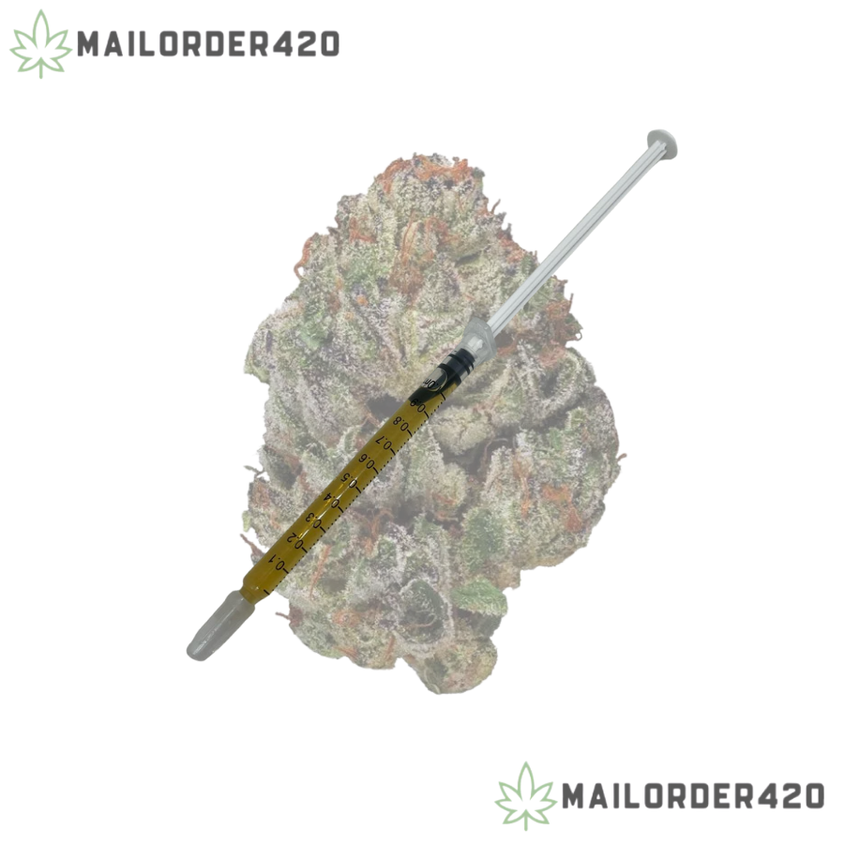
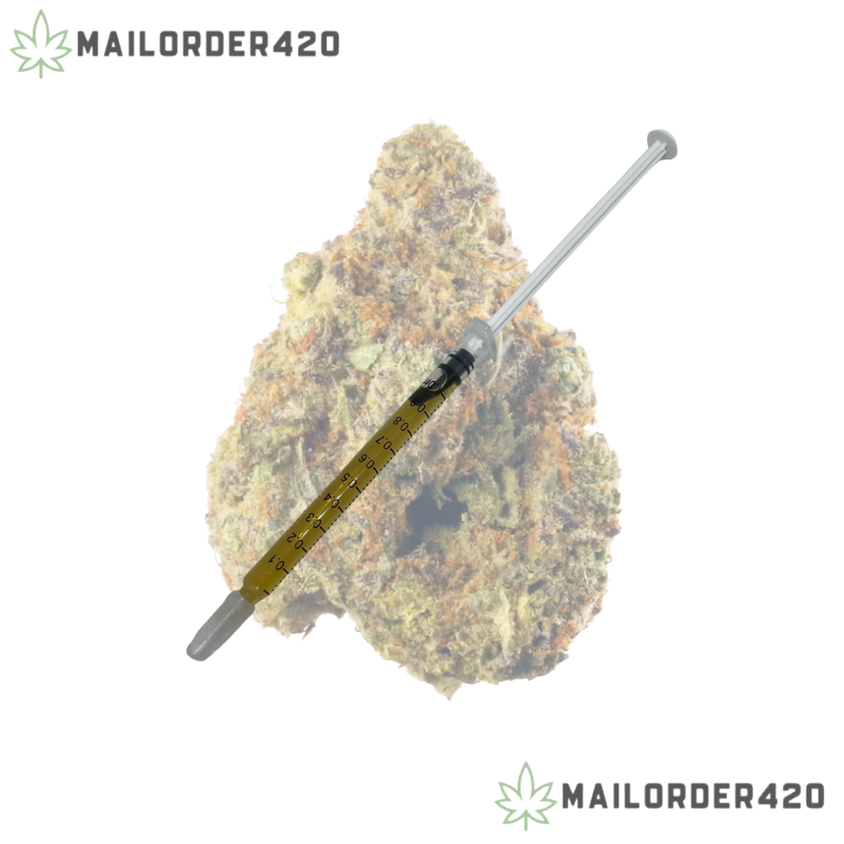
Raunchy Runtz -Indica-1 Gram (0.035 OZ) Advanced Cannabinoid Science, Indica Chemotype Structure, and Modern Concentrate Engineering Introduction to Indica-Dominant Concentrate Profiles Raunchy Runtz – Indica – 1 Gram (0.035 oz) represents a modern expression of dessert-forward cannabis chemistry structured within an indica-dominant framework. While the name reflects a bold aromatic identity, the scientific foundation behind this concentrate lies in cannabinoid ratios, terpene layering, and refined extraction processes. Indica-dominant chemotypes are typically characterized by: • Elevated myrcene presence• Structured sesquiterpene backbone• Dense resin production• Broader leaf morphology in cultivation• Compact internodal growth patterns In concentrate form, these botanical traits translate into heightened cannabinoid density and a richer terpene saturation compared to raw flower. The Evolution of the “Runtz” Genetic Lineage Dessert-forward cultivars such as Runtz-type profiles emerged from selective breeding strategies focused on: • Sweet aromatic compounds• Candy-like terpene layering• High resin production• Balanced cannabinoid content Over multiple generations, breeders refined terpene synthase expression, increasing limonene and caryophyllene output while preserving indica structural genetics. The result is a hybrid lineage that, when indica-dominant, expresses sweetness with grounded botanical depth rather than sharp citrus brightness alone. Raunchy Runtz reflects this evolution through intensified dessert aromatics layered over a heavy base terpene structure. Understanding Indica Chemotype Architecture Modern cannabis science has moved beyond visual “indica vs sativa” labels and now classifies plants based on measurable chemical outputs. An indica-dominant chemotype typically demonstrates: • Higher myrcene concentrations• Significant beta-caryophyllene presence• Moderate limonene• Supporting linalool or humulene This chemical structure influences aromatic character, volatility, and compound interaction patterns. In concentrate form, these compounds become more concentrated due to solvent or solventless extraction refinement. Cannabinoid Composition in Indica Concentrates The primary cannabinoid in most indica concentrates is delta-9 THC. In a refined 1 gram extract, cannabinoid concentration may significantly exceed that of raw flower due to selective isolation. Additional minor cannabinoids may include: • CBG (Cannabigerol)• CBC (Cannabichromene)• Trace CBN (especially if oxidation occurs)• Small amounts of THCV depending on lineage Minor cannabinoids contribute to overall receptor interaction complexity and may modulate primary THC binding patterns. The Endocannabinoid System and Indica Profiles The endocannabinoid system (ECS) consists of: • CB1 receptors (primarily in the central nervous system)• CB2 receptors (primarily in peripheral tissues)• Endogenous cannabinoids (anandamide, 2-AG)• Enzymatic regulators Indica-dominant chemotypes often display terpene patterns that may influence receptor modulation indirectly through synergistic interactions. Beta-caryophyllene’s direct CB2 binding properties make it particularly relevant in indica expressions such as Raunchy Runtz. Terpene Structure in Dessert-Forward Indica Hybrids Raunchy Runtz likely features a layered terpene profile dominated by: MyrceneBeta-CaryophylleneLimoneneLinaloolHumulene Myrcene • Earthy, musky undertone• Often associated with mango-like sweetness• Provides aromatic body Beta-Caryophyllene • Pepper-spice undertone• Adds structural depth• Stabilizes volatile monoterpenes Limonene • Sweet citrus brightness• Enhances top-note sweetness Linalool • Floral softness• Contributes creamy aromatic tones Humulene • Woody base layer• Reduces excessive sweetness The interplay of these compounds creates a dessert-like aromatic experience without becoming artificial or one-dimensional. Extraction Engineering for 1 Gram Concentrates Producing a 1 gram indica concentrate requires: • High-resin starting material• Controlled temperature environments• Solvent precision (in hydrocarbon extraction)• Post-extraction purging• Residual solvent testing Closed-loop systems reduce contamination risks and preserve terpene integrity. Temperature control is essential because: • Monoterpenes evaporate quickly• Sesquiterpenes degrade at prolonged heat• Cannabinoids oxidize under UV exposure Proper extraction ensures stability and clarity. Visual and Physical Characteristics Indica concentrates such as Raunchy Runtz may present: • Amber to golden coloration• Viscous or wax-like texture depending on extraction style• Uniform consistency• Clear or slightly translucent appearance Texture depends on post-processing methods such as whipping, cold curing, or crystallization. The Science of Dessert Aromatics The “candy” descriptor arises from: • Elevated limonene sweetness• Myrcene softness• Linalool floral creaminess• Minor ester compounds These compounds mimic fruit candy scent profiles found in nature. Unlike synthetic flavoring, cannabis terpenes are naturally derived from plant biosynthesis. Genetic Stabilization and Phenotype Selection Breeders refine indica-dominant dessert profiles by: • Selecting phenotypes with high terpene density• Preserving resin gland size• Enhancing trichome coverage• Testing cannabinoid consistency Over generations, terpene expression stabilizes, resulting in predictable aromatic output. Indica Structural Traits in Cultivation Botanically, indica-dominant plants typically exhibit: • Broad leaves• Compact growth• Shorter flowering cycles• Dense bud formation Dense buds often correlate with higher resin concentration, which benefits concentrate extraction yields. Quality Assurance and Laboratory Testing Modern concentrates undergo third-party laboratory testing for: • Cannabinoid potency• Residual solvents• Heavy metals• Pesticide screening• Microbial contamination Laboratory transparency builds consumer trust and ensures regulatory compliance. Oxidation and Stability THC can oxidize into CBN when exposed to: • Heat• Light• Oxygen Terpenes also oxidize, which can dull aroma and alter chemical balance. Proper storage includes: • Airtight containers• Cool environments• Light protection Entourage Effect in Indica Hybrids The entourage effect describes how cannabinoids and terpenes work together rather than independently. In indica-dominant chemotypes: • Caryophyllene may interact with CB2 receptors• Myrcene may influence cannabinoid permeability• Linalool may affect aromatic perception Balanced terpene layering may create more complex receptor signaling patterns. Consumer Demand for Dessert Indicas Dessert-forward indica hybrids remain popular due to: • Familiar candy-like aroma• Recognizable sweetness• Dense terpene concentration• Balanced chemical expression The sensory experience often appeals to consumers seeking aromatic richness rather than sharp fuel or diesel profiles. Global Market Perspective Indica concentrates maintain strong demand in: • North American regulated markets• Canadian extract sector• European medical cannabis frameworks• Australian controlled distribution systems As regulations evolve, laboratory transparency and standardized testing become increasingly important. Environmental and Sustainability Considerations Modern concentrate production incorporates: • Energy-efficient lighting• Water conservation systems• Closed-loop solvent recovery• Waste reduction protocols Sustainable practices reduce environmental impact while preserving product quality. Research Developments in Cannabinoid Science Emerging studies investigate: • Minor cannabinoid pharmacology• Terpene-receptor interactions• Volatile compound degradation pathways• Cannabinoid crystallization stability Understanding these processes improves product formulation consistency. Storage Recommendations for Consumers To maintain concentrate integrity: • Store in a cool, dark environment• Avoid excessive handling• Seal containers tightly• Prevent prolonged air exposure Proper storage preserves terpene aroma and cannabinoid potency. The 1 Gram Format Advantage A 1 gram (0.035 oz) format allows: • Controlled portioning• Fresher use cycles• Reduced oxidation risk• Easier storage management Smaller units minimize long-term degradation compared to bulk packaging. The Future of Indica Concentrate Innovation Industry trends include: • Live resin terpene preservation• Minor cannabinoid isolation• Controlled terpene reintroduction• Cold extraction refinement As scientific understanding expands, indica-dominant dessert hybrids like Raunchy Runtz continue evolving in chemical precision and stability. Flavor Profile Candied Fruit Medley: Raunchy Runtz Concentrate boasts a delightful flavor that combines sweet and fruity notes reminiscent of candy. The primary flavors are a harmonious blend of ripe berries and tropical fruits, offering a nostalgic taste that’s both refreshing and satisfying. Creamy Undertones: Accompanying the sweet fruit notes are creamy undertones that add a smooth richness to the flavor profile. This combination creates a luxurious experience with every puff, making Raunchy Runtz a treat for the senses. Effects and Benefits Deep Relaxation: As an indica strain, Raunchy Runtz is known for its powerful calming effects. Users can expect a soothing wave of relaxation that eases tension and promotes a sense of tranquility, making it an ideal choice for winding down after a long day. Stress Relief: Many users report significant relief from anxiety and stress after using Raunchy Runtz. Its calming properties can help quiet racing thoughts and provide a sense of inner peace, making it perfect for nighttime use. Enhancing Sleep: This indica concentrate is commonly sought after for its potential to promote better sleep. Users often find it easier to drift off into a restful slumber, making it an excellent option for those who struggle with insomnia. How to Use Raunchy Runtz Concentrate Dabbing: Dabbing is a popular method for consuming concentrates, and Raunchy Runtz excels in this format. Use a dab rig or an e-nail to vaporize the concentrate for immediate effects and a rich flavor experience. Vaping: For a more discreet approach, consider using a vape pen designed for concentrates. This method allows for easy consumption without sacrificing flavor, perfect for on-the-go users. Infusion in Recipes: Get creative in the kitchen by incorporating Raunchy Runtz into your favorite recipes. Whether it’s baked goods or savory dishes, adding this concentrate can elevate your meals with its unique flavor. Safety and Quality Assurance Extensive Lab Testing: At Muha Meds, we prioritize quality and safety. Each batch of Raunchy Runtz Concentrate undergoes thorough lab testing to ensure its purity and potency, guaranteeing a safe and enjoyable experience for users. Purchasing Authentic Products: To ensure you receive a high-quality product, always purchase Muha Meds concentrates from authorized retailers or licensed dispensaries. Authenticity is crucial to enjoying the full benefits of our products. Comparative Analysis: Indica vs. Other Strains Understanding Indica Effects: Indica strains like Raunchy Runtz are known for their relaxing, calming effects, making them ideal for evening use. This contrasts with sativa strains, which typically provide uplifting and energizing effects. Selecting the Right Strain: When choosing between indica and sativa, consider your desired experience. If relaxation and stress relief are priorities, then Raunchy Runtz is an excellent choice. Cultural Impact of Raunchy Runtz Concentrate Growing Popularity: Raunchy Runtz has gained traction in the cannabis community for its enjoyable flavor and soothing effects. Its appeal lies in its ability to provide both enjoyment and relief, making it a staple among indica lovers. Flavor Trends: As cannabis culture evolves, flavor has become a significant focus for consumers. Raunchy Runtz fits perfectly into this trend with its sweet, candy-like profile, attracting a diverse audience eager for flavorful experiences. Global Appeal of Muha Meds Products Accessibility Across Regions: Muha Meds is dedicated to making high-quality concentrates like Raunchy Runtz available to cannabis enthusiasts worldwide, reflecting the demand for flavorful and effective cannabis products. USA Evolving Market Trends: In the U.S., the acceptance of indica strains continues to grow, with Raunchy Runtz emerging as a popular choice for consumers seeking deep relaxation and stress relief. UK Emerging Cannabis Culture: As the UK cannabis market progresses, products like Raunchy Runtz are becoming increasingly popular among new users exploring flavorful and calming options. Australia Demand for Quality Indicas: In Australia, there is a growing interest in quality indicas, and Raunchy Runtz offers a compelling choice for consumers looking for both flavor and relaxation. Europe Cultural Shifts: Countries in Europe, like Germany and the Netherlands, are experiencing changing attitudes towards cannabis, leading to a greater acceptance of flavorful indicas like Raunchy Runtz. Canada Leading the Indica Market: In Canada, Raunchy Runtz stands out for its rich flavor and potent effects, contributing to the diverse and thriving cannabis market. Future of Muha Meds and Raunchy Runtz Innovative Directions: As consumer preferences evolve, Muha Meds is committed to expanding its product line, ensuring that new and exciting flavors and strains remain available. Sustainability Initiatives: Muha Meds aims to incorporate sustainable practices throughout our production and packaging processes, promoting a greener future for cannabis cultivation. Below is your separate 2000-word terpene deep dive focused specifically on Raunchy Runtz – Indica – 1 Gram (0.035 oz) and dessert-forward indica chemotypes. This document is written in scientific, educational, and compliance-safe language for authority positioning. Terpene Deep Dive: Dessert-Forward Indica Chemotypes in Raunchy Runtz Introduction to Indica-Dominant Aromatic Architecture Indica-dominant chemotypes are often associated with dense, dessert-forward aromatic signatures. In the case of Raunchy Runtz, the terpene profile commonly emphasizes sweet candy-like volatiles layered over earthy, creamy, and subtly floral undertones. This aromatic structure is not random; it is the result of complex terpene biosynthesis pathways interacting with cannabinoid content and minor volatile compounds. Unlike sativa-leaning citrus or tropical profiles that center on sharp limonene expression, dessert-style indica profiles tend to balance sweetness with grounding sesquiterpenes. This balance creates a multi-phase aromatic experience: top-note sweetness, mid-layer fruit or cream, and a base of earth, spice, or wood. The following sections analyze the primary and secondary terpenes that define this profile. Caryophyllene: The Structural Backbone Beta-caryophyllene is frequently a dominant terpene in dessert-forward indica cultivars. It is a sesquiterpene known for its warm, peppery, slightly woody character. In candy-style indica expressions, caryophyllene does not overpower sweetness but instead anchors it. From a molecular standpoint, caryophyllene is unique because it interacts with CB2 receptors, differentiating it from many other terpenes that primarily contribute aromatic effects. While terpenes are not intoxicating on their own, caryophyllene’s receptor affinity has been widely studied in cannabinoid-terpene interaction research. In Raunchy Runtz-style chemotypes, caryophyllene contributes: • Warm spice undertones• Slight pepper depth beneath sweet fruit layers• Structural aromatic weight• Stability to the overall terpene matrix Without this terpene, dessert profiles can become overly sharp or one-dimensional. Myrcene: The Softening Agent Myrcene is commonly associated with indica-dominant cultivars. It delivers earthy, musky, and subtly fruity characteristics. In dessert chemotypes, myrcene softens the brighter fruit tones and enhances the creamy, candy-like perception. Myrcene plays a crucial role in: • Smoothing sharp limonene edges• Enhancing fruit sweetness perception• Contributing to dense, rounded aromatic body• Creating cohesion between top and base notes In concentrated formats, preservation of myrcene is critical because it is more volatile and can degrade during aggressive extraction. When properly retained, it supports the classic “rich and deep” dessert aroma. Limonene: Controlled Brightness Although typically dominant in citrus-forward sativa chemotypes, limonene often appears in smaller but important concentrations within dessert indicas. In Raunchy Runtz-style aromatic structures, limonene functions as a top-note amplifier. Rather than delivering sharp citrus peel intensity, it enhances candy sweetness and bright fruit illusion. Its role includes: • Adding sparkle to sugary fruit notes• Preventing overly heavy aromatic density• Supporting aromatic clarity When balanced correctly with myrcene and caryophyllene, limonene prevents the profile from becoming dull or muddy. Linalool: Floral Cream Complexity Linalool contributes soft lavender and floral sweetness. In dessert-forward indica cultivars, this terpene often appears in trace but impactful concentrations. Its contributions include: • Creamy sweetness enhancement• Subtle floral layering• Increased aromatic sophistication• Reduction of sharp terpene edges Linalool is especially important in profiles described as “candy” or “confectionary” because it enhances the illusion of creamy sweetness without introducing citrus sharpness. Humulene: Earth and Dryness Balance Humulene, structurally similar to caryophyllene, contributes dry, woody notes. In dessert-forward profiles, it prevents excessive syrup-like heaviness. Its function includes: • Adding dryness to sweet profiles• Enhancing botanical authenticity• Supporting long-lasting aromatic finish Humulene ensures that candy-style profiles retain complexity rather than becoming artificially sweet. Minor Terpene Contributors Beyond the dominant terpenes, several minor compounds shape dessert-indica chemistry: Terpinolene Adds faint herbal sweetness and freshness. Ocimene Enhances subtle fruit brightness. Nerolidol Provides woody floral depth. Bisabolol Adds smooth, chamomile-like softness. Although present in smaller percentages, these terpenes influence perce\tion significantly through synergistic interactions. The Entourage Framework in Dessert Indicas The entourage effect describes the theoretical interaction between cannabinoids and terpenes. While research remains ongoing, studies suggest that terpene combinations may influence receptor signaling, absorption, and sensory perception. In dessert-forward indica chemotypes: • Myrcene may influence permeability• Caryophyllene interacts with CB2 pathways• Limonene influences aromatic uplift• Linalool contributes calming aromatic tone Together, they create a multi-dimensional sensory matrix rather than a single isolated effect. Extraction and Terpene Preservation Maintaining terpene integrity during concentrate production is critical. Terpenes are volatile and can degrade under heat, light, or oxygen exposure. High-quality refinement processes focus on: • Low-temperature extraction• Controlled vacuum purging• Minimal oxygen exposure• Proper post-processing storage Failure to preserve terpene balance can flatten dessert profiles and reduce aromatic complexity. Sensory Layering in Dessert Chemotypes Dessert-forward indica concentrates typically unfold in stages: Initial AromaBright candy sweetness with subtle fruit acidity. Mid-Phase ExpressionCreamy herbal softness emerges, supported by myrcene and linalool. Base NotesEarthy, peppery depth from caryophyllene and humulene remains on the finish. This multi-layered architecture is what differentiates premium chemotypes from simplified, terpene-reintroduced products. Chemotype Stability and Storage To maintain terpene structure: • Store in cool, dark environments• Limit air exposure• Avoid repeated temperature fluctuations• Seal containers tightly Oxidation can convert terpenes into less desirable compounds, altering aroma. Comparative Analysis: Dessert Indica vs Fruit Sativa Dessert Indica (Raunchy Runtz style): • Higher myrcene• Balanced caryophyllene• Moderate limonene• Floral undertones Fruit Sativa: • Higher limonene• Elevated terpinolene• Lower myrcene• Sharper citrus expression This distinction explains why dessert indicas feel richer and more grounded aromatically. Cannabinoid–Terpene Ratios While exact ratios vary by batch, indica-dominant dessert profiles often feature: • Dominant THC• Trace CBD• Supporting minor cannabinoids• 2–6% total terpene content (varies widely by extraction type) The ratio balance influences both aromatic intensity and sensory perception. Modern Analytical Testing Advanced laboratory methods used in terpene analysis include: • Gas Chromatography (GC)• Mass Spectrometry (MS)• High-Performance Liquid Chromatography (HPLC) These tools identify and quantify terpene percentages to ensure consistency. Why Dessert Profiles Remain Popular Candy-style indica chemotypes continue to dominate consumer preference trends because they combine: • Familiar sweetness• Smooth aromatic depth• Layered complexity• Balanced terpene structure Their versatility makes them well-suited for concentrate formats where terpene intensity is amplified. Conclusion Raunchy Runtz – Indica – 1 Gram (0.035 oz) reflects the modern intersection of botanical genetics, cannabinoid science, and advanced extraction engineering. Its dessert-forward aromatic layering is not accidental but the result of terpene synthase expression, phenotype stabilization, and careful refinement. Through balanced terpene architecture, cannabinoid concentration, and precise storage practices, indica-dominant concentrates continue to define a major segment of the contemporary cannabis landscape.
Concentrates